Blogs

Categories
Blogs

Best practices for Calving, Cattle and Animal Healthcare Management:

Veterinary Medicine

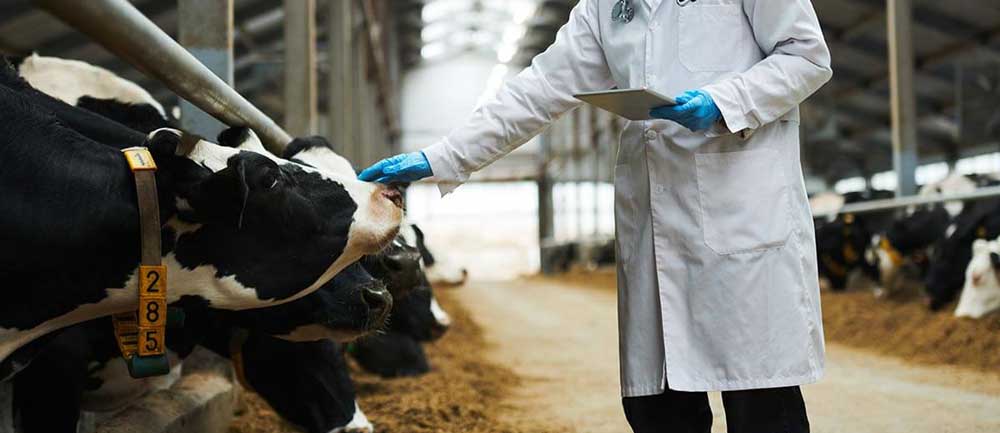
The livestock / animal healthcare management remains incomplete without planning and strategizing about the calving season, the season of the beginning of the next generation and shaping the future. Effective cow management focuses on the health of the cows and calves, hereby bearing the fruits of success for your own farm. And this is the reason that you should come up with proper planning and management while carefully looking after your calves.

But, how shall you do that?
Let Le-Mantus provide you with a guiding detail regarding the best practices for nailing the art of cow / animal healthcare management.

1. Pre-calving process
Many of the caretakers skip the process of creating the perfect environment for calving and cow management. You will have to be sure about certain factors that build this peaceful and healthy environment that includes adequate nutrition and water facilities that provide the cows and calves with the required nutrition along with bedding facilities, vaccination information and such other details.

2. Ask for help
Yes, you shall have to keep in mind this factor as well because calving is such a process that cannot be overlooked by a singular person. The last trimester is an important period because the nutritional requirements keep changing in a tremendous amount and this metre varies during each day. During the labour period you must remain equipped with the tools that foster the way to a successful delivery.

3. Colostrum Management
The milk of the mother or the first milk is an important feeding element to the calves because it provides important elements that build the immunity of the newborns and help them in fighting against various viruses that cause life-damaging diseases.

5. The post-calving period
The first important care to be taken during the post-calving period is that of letting the cow and calf bond naturally. The postpartum period requires a management system that calls for various protocols and observatory methods. The maternal bonding nurtures trust, love, and warmth amongst both of them and hence it is an important phase.

Conclusion:
So, calving and cow / animal healthcare management requires training for every cattle overlooker. Because ultimately it is the question about a life that and that cannot be overlooked. The suggested practices will remain fruitful to you during the calving season. The cattle management hence remains a mandatory job for cattle farmers to ensure a rich and sustainable way of farming.

Categories
Blogs

Cattle Feeding: A must-try list of alternative Animal Supplements

Veterinary Medicine

1. Grass-based feeds
Cattle/Animal Nutrition considers grass-based products or forages as an important source of nutrition. These include a wide range of varieties including grasses, legumes, and other plants as well. Basically, any diet that is rich in fibre, and improves the digestive system of the cattle is considered as nutrition-worthy for the cattle. It also is a healthy and environment-friendly option for you to surf on.

2. Fermented Forage Crops
Fermented Forage products like haylage and silage are considered as the go-to nutritional products for our cattle friends. Grasses and Legumes are fermented and left on the shore to get a worthy fermentation. Doing so, will not only improve the digestive system but will also nurture the nutritional quality. Such products are eco-lovers favourite products because these prevent feed wastage and play a significant contribution to sustainable farming.

3. Crop Byproducts and leftovers
Sustainable farming is also highly focused on umpteen usage of crop byproducts and leftovers. Cattle Nutrition can reach to the stars with the help of wheat straw, corn stover, and other nutritional elements. Such products not only cater to nutritional needs but efficiently work as an alternative cattle feeding option. These products are also rich in fibre and enhance the cattle's well-being. Crop by-products can be utilized in cattle feed in a manner that is compatible with the conservation of resources and the promotion of sustainability, thus contributing to the utilization of agricultural resources to the greatest extent possible and minimizing the environmental impact.

4. Non-traditional products
The use of non-traditional products in cattle feed is changing the way we look at sustainable livestock nutrition. Innovative alternatives include a variety of non-traditional ingredients such as turnip, radish, etc. By adding these non-standard forage crops to their diets, cattle get a diverse and high-nutrient food source that not only extends the grazing season but also improves their overall health. In addition to improving soil health, rotational grazing systems that include these crops can also improve land utilization efficiency.

5. Mineral and Protein Blocks
Providing cattle access to these blocks allows farmers to improve their herd’s reproductive efficiency, bone health, and immune system, resulting in healthier, more productive cattle. If you want to make sure your cattle are getting the nutrition they need and your herd is healthy, you need to use mineral and protein blocks. These are great because they're easy to use and you can customize them to fit your specific needs. Plus, they're great for when your cattle are grazing on pastures that don't have enough minerals.

Conclusion:
As we went through the different options of Animal Supplements for cattle feeding, and understood how sustainable farming has become the trending option for cattle feeding. Various factors contribute to this study of alternate feeding options and the above-mentioned contributors are your sure-shot call for action!

Categories
Blogs

Nourishing the Herd: The Secrets to Cattle/Animal Nutrition

Veterinary Medicine

Well, the answer is simple. A flower will only bloom if we provide it with adequate water. Hence, in order to have a healthy well-being of animals it is necessary to provide them with proper nutrition. Let’s uncover the essentials that are adequate for proper nutritional supplements for the dairy animals

1. The basics - first:
Your dairy animals are in dire need of the quintessential nutrition that match up with their performance energy. Or maybe aids them in improvising their performance. Dairy animals require energy for maintenance, growth, and milk production which can be summed up with a rich amount of energy, protein, fibre, vitamins, and minerals.

2. Forage-Based Diet:
Digestion in ruminant animals like cows requires a forage-based diet. What is a forage-based diet? A forage-based diet is a feeding strategy wherein the major form of consumption is through grass or grass-based products. This helps meet the animal's nutritional requirements in a more natural and holistic manner, reducing the risk of nutrient deficiencies or imbalances. High-quality forages harvested at the right stage of maturity ensure optimal nutrition.

4. Say hi to adequate hydration:
Water is the key to eliminating all problems. No, we haven’t taken the role of a mom here, but come on, it is no science. Adequate access to clean and fresh water is crucial for dairy animals. Water intake affects feed digestion, nutrient absorption, milk production, and overall hydration. So, make your friends in love with hydration.

5. Feeding Management is an art!!!
Did you really think that only cats can be fussy about food? Wait, no. Every animal needs proper channelling of food intake along with a proper scheduling. Proper feeding management is key to maintaining the health of dairy animals. Consistency in feeding schedules, adequate rest periods between feedings, and monitoring of body condition scores are vital. Adjustments should be made to feed rations as needed to maintain optimal body condition.

And……..The secret key!
Have you tried Le-Mantus’ Promaxmin Forte, Limatone-H, Limacal Gold Supplement? These are perfect for cattle nutrition and overall cattle health care along with being the milk enhancers. You can now double up the productivity of your cattle friends, thanks to Le-Mantus!

Categories
Blogs

Measures for Preventing Reproductive Failures with Care & Veterinary Medicine

Veterinary Medicine

How to prevent reproductive failures amongst herds?

1. Health management through healthy food and Veterinary Medicine
Proper animal nutrition is the key to proper and healthy fertility. Lack of nutrition will hamper the reproductive organs and will disrupt the idea of healthy fertility. It becomes essential that all the vital nutritional elements of the body are catered for. Prepare diet plans that have an overview of all the essential requirements of the herd.

2. Say Goodbye to diseases! Veterinary Medicine & Vaccinations are here.
Make vets your herd’s friend during this time. It becomes necessary to provide the herd with all the vaccinations and vet care to prevent them from a storm of diseases. Infectious diseases cause to have a negative effect on the reproductive system and we really do not wish to have the same. So, keep a double-check on the list of vaccinations, and plan and execute vet visits.

3. Take it easy with a BSE
A Breeding Soundness Examination is a fitness test for livestock. Evaluation of the physical and mental abilities is done in this test in order to see the capabilities of the livestock before conceiving. Semen Quality, Reproductive organs, pregnancy - all of these get tested. The long-term reproductive success can be measured through this test. This helps you analyse any reproductive issue at an early stage. So, why not go for this safe option before planning?

4. The Genes matter
Genetic Selection carries an important role in the entire fertilization process of the herds. You have to come up with proper research any analysis of the the type of breed that you choose. We advise you to go for bulls that are genetically superior. You should always align this with the traits like calving, longevity, and fertility. By selecting for these characteristics, not only does it improve the probability of pregnancy and healthy progeny, but it also enhances the genetic heritage of the herd in the long run. If sustainable livestock is what you are searching for, optimise the genetics available.

5. P(L)eace, No Stress
The importance of mental peace in the reproductive health of herds is often overlooked, yet it can have a significant effect on the reproductive health of the herds. Stress is a major factor in the health of the herds, as it can disrupt the cycles of the females and impede the fertility of the males. Establishing a tranquil and harmonious environment, combined with appropriate handling and care practices, can help to reduce stress in the herd, which in turn promotes natural breeding behaviour, prompt conception, and healthy pregnancies. This serves as a reminder that in order for herds to be successful in reproducing, it is essential to foster mental peace and ensure their emotional well-being as much as their physical well-being.

Categories
Blogs

Ivermectin: Science and Beyond

ivermectin

After discovering its use beyond veterinary applications, Ivermectin and its therapeutic applications have spotted the limelight. Ivermectin has always been the doctor’s favourite while talking about the means to destroy parasites. In this blog, we will learn about the scientific understanding of Ivermectins and have a deep dive into its applications.

What is Ivermectin?
It is primarily utilized for the treatment of parasitic infections in both human and animal species. Initially developed for veterinary use, ivermectin has been extensively utilised for the control and eradication of a variety of parasitic infections in cattle and domestic animals.

How does it work?
Ivermectin is highly used to fight parasites and prevent the spreading of parasites. It works by blocking certain ion channels in the parasites' nervous system and muscles, causing them to become paralyzed and die. This makes it a great treatment for a bunch of different types of parasites.

Uses:
In the veterinary field, the Ivermectin has following uses:

  • Various parasites like gastrointestinal worms, lice, mites, and lungworms are pushed away due to the recommended use of Ivermectin. Thus, the systematic use of Ivermectin can prevent parasital infections amongst cows, sheep, and goats.
  • The use of Ivermectin in dogs is intended to protect against heartworm infections. By regularly administering the medication, heartworm larvae can be prevented from developing into adult worms, which can lead to serious heart and lung issues in dogs.

It also has a secret use!
In addition to the approved applications, there are still studies and debates going on about the potential uses of Ivermectin for a bunch of different diseases, like some viral infections like coronavirus. These uses are still in the early stages of research, so we don't know exactly how effective they are yet. It's super important to always follow the advice of a doctor or vet when using Ivermectin. Taking it on your own or doing it off-label can lead to bad side effects and complications, so always talk to a doctor or vet before using it.

Conclusion:
The discovery of its usage from a normal veterinary medicine to a potential antiviral is strong evidence of scientific development. Its uniqueness has made it a go-to tool for both humans as well as animals. However, it is advised to have only a recommended dose and to not get carried away by its potential use. As we continue to learn more about the research that goes into the science that goes into the research, each passing day brings us one step closer to realizing the full potential of ivermectin for global health.

Categories
Blogs

The Essentials of Cattle Supplements: A Complete Guide

Cattle Supplements

In order to maintain health, overall productivity and well-being, cattle supplement is your go-to source. We all know the importance that a well-balanced diet carries in our lives and it becomes important for the growth, reproduction, and immune function of cattle. Let's understand the essential elements of the cattle supplements that make your mooing faves require in a large proportion. Let’s give your animals the nutrients that they crave!

  1. Protein is the key!
    Muscle growth, immune function, and milk production – all are incomplete without a generous amount of proteins. Protein supplements are super important when your cattle are grazing on poor-quality feed or when they’re in high demand. You can get protein from soybeans, cottonseed meals, and hay made from alfalfa. Make sure your protein supplements have a good amino acid balance and think about how much protein you’re putting in your feed plan.
  2. Energising with the Energy Supplements
    Fulfil the daily dose of energy with the help of the perfect energy supplements for your cattle. Do you know when your cattle need this the most? It’s when there is a sudden amount of weight loss or cold weather, or some large proportions of activities are being conducted. So, give your cattle the most required element during this period – Energy Supplements.
  3. The Ignored Minerals
    Minerals like Copper, Zinc, and Iodine must not be left off the shore when it comes to talking on essential cattle supplements. These trace supplements are your go-to source when it comes to fertility, immune systems, and growth. These may not be top dogs for cattle supplements but they must not be ignored at any cost.
  1. Take a deep dive into the needs of your cattle
    The entire blog is a waste of time if you miss out on the analysis of your cattle on its supplemental requirements. Proteins, Minerals, Energy, and Vitamins will be required in different dosages for each animal, and they will only be sufficed upon after a proper study of their requirements. Factors like age, weight, and stage of their growth affect their thirst for essential supplements. You can also push into a veterinarian for a call of help here.
  2. Don’t jump into dosages
    Make sure that you provide the right amount of supplement while feeding your cattle. Excess or lack, both, can lead to a list of health issues for your cattle. It will be highly recommended that you follow the recommended guidelines or take the help of an expert here before jumping into any conclusions.

Cattle supplements are a great way to make sure your herd is healthy and productive. By knowing what your cattle need, picking the right supplements, and following the right dosage, you can help them thrive in different conditions and stages of growth. Don't forget to check in with your vet, animal nutritionist, or agricultural extension services too - they can give you advice that's tailored to your area and herd type. With the right supplements, your cattle will lead healthier and more productive lives. So, Le-Mantus suggests you to nurture them with the essential nutritional requirements in the healthiest way, possible.

Categories
Blogs

Caring for the Cattle: Pregnancy and Post-pregnancy Treatments

During The Entire Lifetime Of The Cattle, The Pregnancy Phase Carries Importance, Responsibilities, And Sensitivity Of Its Own. Putting A Mark On A Healthy Newborn Takes A Lot Of Care And Effort. And, The Post-Pregnancy Mania That Carries Sensitivity And Trauma Of Its Own Also Requires Utmost Care. In Order To Have A Healthy Mother And A Newborn, Proper Nurturing Becomes Significant.

So, Let’s Put On Our Doctor’s Cloak For A Night And Learn The Essentials Of Cattle Pregnancy And Pull The Blinders Off The Post-Pregnancy Treatments.

Learning About Cattle Pregnancy:

Just Like Us Humans, The Pregnancy Phase Of Cattle Lies For A Period Of 9 Months. Let’s Dive Deeper Into Each Phase Of Cattle Pregnancy.

  1. First Trimester: This Is The Base Step Where The Embryo Starts Developing. Basic Maintenance Like Supplying Proper Nutrition, Vaccination, And Proper Health Check-Ups Are Necessary.
  2. Second Trimester: As The Fetus Continues To Grow, There Is An Increase In The Demand For Food By The Cow. So, Make Sure That You Provide Adequate Food That Supplements The Requirements Of Both – The Cow As Well The Baby.
  3. Third Trimester: This Is The Most Essential Period During The Cattle Pregnancy. You Will Have To Ensure That Adequate Space That Provides A Comfortable Environment To The Cow.

Prenatal Care And Its Significance:

While Cattle Pregnancy Requires Meticulous Efforts And Care To Nurture The Requirements Of The Herd, Various Elements Need To Be Taken Into Consideration. A Nutritional Plan Can Be Made With The Help Of A Veterinarian Who Would Help You In Supplying All The Elements Like Energy, Proteins, Vitamins, And Minerals In An Adequate Manner To Your Cow. The Vaccinations Should Be Provided In A Timely Manner To Protect The Mother And The Calf From Devastating Common Diseases. Also, The Cattle Are Prone To Parasitic Infection As Well, So, Keep Ample Provision To Prevent The Same From Happening.

Post-Pregnancy Care:

Post-Partum Is An Essential Period For Both, The Mother As Well As The Newbie. Make Sure That The Following Mandates Are Covered During This Essential Phase Of Bonding.

  1. Double Bond, Standard Time: There Should Be Enough Scope For Bonding Between The Mother And Her Calf. You Should Try To Avoid Intervening During This Time Of Love And Care.
  2. Proper Feeding: You Need To Ensure That The Mother Cow Receives Essential Nutrients And Antibodies That Provide Immunity To The Calf. This Can Mainly Be Catered With The Colostrum, That Is, The First Milk Of The Cow.
  3. Post-Calving Nutrition: Ofcourse, This Is An Important Point For Consideration. After Calving, The Cow’s Nutritional Requirements Change. Feed The Cow A Balanced Diet To Promote Milk Production And Overall Health.

Conclusion:
Cattle Pregnancy And Post-Pregnancy Treatment Prenatal Care Is Essential For The Health And Well-Being Of The Pregnant Cow And Her Calf. Post-Pregnancy Care Is Important For The Cow’s Recovery And For The Newborn’s Growth. By Providing Proper Nutrition, Proper Care, And A Safe And Comfortable Environment, Cattle Farmers Can Support Their Herd’s Success And Create A Sustainable And Prosperous Cattle Farming Business. Le-Mantus Urges You To Be Responsible Towards Our Cattle’s Health And Wellbeing From Conception Through Calving, And Beyond. Let’s Do Our Part To Support The Livestock Industry’s Success.

Categories
Blogs

Breaking the ice on Cattle Handling and their safety practices

Cattle Handling and their safety

Cattle Farming Is An Essential Branch Of Agriculture Because Of The Rising Demand For Milk And Other Essential Extracts. However, The Cattle Business Is A Tricky Job To Work On Since It Comes With A Barrage Of Responsibilities Because It Involves Various Challenges And Risks. Proper Cattle Handling Is A Mandatory Subject In These Scenarios Since Their Safety Practices Take A Massive Chunk Of Their Well-Being. So, Let’s Dive Deeper Into The World Of Cattle Handling And Their Safety Practices.

  1. Understanding The Moo-Moos
    Every Movement That The Cattle Make, Is A Sign For You. You Must Decode It. It’s Like Nurturing A Newborn Baby Who Doesn’t Know How To Speak And Embarks Upon The Mother-Child Sign Language For The Rescue. Cattle Are Predators With The Urge To Herd, And Their Instinct Is To Run Away When They Feel Threatened. Knowing Their Body Language And How They React Will Help You Know What To Do And Stay Safe.
  2. Equipments And Facilities
    The Facilities That Should Be Provided To The Cattle Must Have A Room For Comfort. Safe Cattle Handling Makes It Essential To Provide The Cattle With Proper Equipments And Facilities. There Should Be Ample Scope Of Fencing And Proper Gates Should Be Attached With The Farm To Ensure That There Are Fewer Chances Of Injury Or Losing The Cattle Altogether. Also, There Should Be Enough Space For The Cattle To De-Stress Themselves, Especially During The Times Of Vaccinations And Other Procedures. Movements During These Times Provide Them With A Breather.
  3. Psychological Wellbeing
    If The Cattle Are Psychologically Healthy It Becomes Easy To Handle Them. Make Sure That You Keep Them Away From Loud Noises And Commotion Because That Is Extremely Uncomfortable For The Cattle. Do Not Force Them To Make A Move. Encourage Them Gently And Allow Them Time To Adapt To New Settings Or Procedures.
  4. Train. Train. Train
    Handlers Should Be Given Proper Training On How To Handle The Cattle, Recognising Their Discomfort, Cattle Behaviour, And All Such Aspects. The More You Learn To Understand The Language Of The Unspoken, The Easier It Would Be To Handle The Cattle. Handlers Who Are Well-Informed Are Better Able To Predict Potential Problems And Respond Appropriately To Them.
  5. Health Check-Up
    Check-Ups Should Be Done On A Regular Basis In Order To Have Healthy Cattle At Your Farm. This Can Help You In Identifying Potential Health Issues Immediately And Thus Would Save Your Cattle From A Health Disaster. It Is Imperative That Cattle Receive Regular Health Assessments And Preventive Care In Order To Detect And Address Any Potential Health Problems In A Timely Manner. Cattle That Are In Good Health And Well-Fed Tend To Be More Docile And Compliant.
Cattle Handling and safety

Conclusion:
Le-Mantus Believes That When It Comes To Cattle Handling And Safety, It’s Really Important To Understand Cattle Behaviour, Build The Right Facilities, Use Low-Stress Methods, And Make Sure Handlers Are Properly Trained. This Way, We Can Make Sure Both Cattle And People Are Safe. Responsible, Compassionate Cattle Handling Not Only Makes Life Better For Cattle, But It Also Makes Cattle Farming More Productive And Safer. Let’s Work Together To Create A Better Relationship Between People And Animals While Still Making Sure Cattle Handling Practices Are Up To The Highest Standards.

Categories
Blogs

Nourishing the Herd: The Secrets to Cattle Nutrition

Veterinary Medicine

The well-being of dairy animals is an important pavement to unravel. Proper cattle nutrition is the key to the overall well-being of the dairy animals. Without an unwavering balance of nutrition, the animals will definitely have a crying call of imbalance. So, in order to focus on the health, productivity, and overall well-being of the cattles, there needs to be a proper intake of nutritional items. What will happen with that? What difference will it make?

Well, the answer is simple. A flower will only bloom if we provide it with adequate water. Hence, in order to have a healthy well-being of animals it is necessary to provide them with proper nutrition. Let’s uncover the essentials that are adequate for proper nutritional supplements for the dairy animals

  1. The basics – first:
    Your dairy animals are in dire need of the quintessential nutrition that match up with their performance energy. Or maybe aids them in improvising their performance. Dairy animals require energy for maintenance, growth, and milk production which can be summed up with a rich amount of energy, protein, fibre, vitamins, and minerals.
  2. Forage-Based Diet:
    Digestion in ruminant animals like cows requires a forage-based diet. What is a forage-based diet? A forage-based diet is a feeding strategy wherein the major form of consumption is through grass or grass-based products. This helps meet the animal’s nutritional requirements in a more natural and holistic manner, reducing the risk of nutrient deficiencies or imbalances. High-quality forages harvested at the right stage of maturity ensure optimal nutrition.
  3. The valid supply of Concentrates and Supplements:
    Concentrates, including grains and protein-rich feeds, are used to supplement the diet and meet additional energy and protein requirements. These concentrates should be formulated and balanced to ensure proper nutrition without causing imbalances or deficiencies. This helps dairy animals in having a high-health and nutrition-rich life. After all, even they need love and care just like humans, don’t they? So, energise your cattle friends with the right amount of nutrition.
  4. Say hi to adequate hydration:
    Water is the key to eliminating all problems. No, we haven’t taken the role of a mom here, but come on, it is no science.  Adequate access to clean and fresh water is crucial for dairy animals. Water intake affects feed digestion, nutrient absorption, milk production, and overall hydration. So, make your friends in love with hydration.
  5. Feeding Management is an art!!!
    Did you really think that only cats can be fussy about food? Wait, no. Every animal needs proper channelling of food intake along with a proper scheduling. Proper feeding management is key to maintaining the health of dairy animals. Consistency in feeding schedules, adequate rest periods between feedings, and monitoring of body condition scores are vital. Adjustments should be made to feed rations as needed to maintain optimal body condition.

And……..The secret key!

Have you tried Le-Mantus’ Promaxmin Forte, Limatone-H, Limacal Gold Supplement? These are perfect for cattle nutrition and overall cattle health care along with being the milk enhancers. You can now double up the productivity of your cattle friends, thanks to Le-Mantus!

Categories
Blogs

LE-Mantus Pharmaceuticals: A Pioneer Firm Promising Quality Veterinary Pharmaceutical Products

Ashutosh Gupta

Director

The global veterinary medicine market is projected to grow at 8.2 percent CAGR over the forecast period, reaching $44.59 billion in 2022. The Indian Veterinary Healthcare Industry has assessed at $869.54 Mn in 2021 and is expected to grow at a 6.9 percent CAGR from 2022 to 2031. Factors such as increased demand for livestock products, an increase in the prevalence of various medical conditions in animals, an increase in livestock-keeping people, and an increase in animal healthcare spending are likely to contribute to the market's expansion over the analyzed timeline.

With the growing need for high-quality and affordable veterinary medicines in India, a number of significant players have come into prominence in the last couple of decades. One of the most prominent among them being LE-MANTUS PHARMACEUTICALS. A fully integrated, growing pharmaceutical company, LE-MANTUS is known for manufacturing a broad variety of high-quality, affordable veterinary medicines that are trusted, prescribed, and used by veterinary healthcare professionals throughout India. The company was founded in 2003 with the goal of becoming a pioneer in the manufacturing and supply of high-quality but affordable pharmaceutical products, and over the decades, the firm has certainly achieved this status.

Range of Offerings

As a leading veterinary pharmaceuticals manufacturer, LE-MANTUS has developed a comprehensive product portfolio over the years. The firm’s range of offerings can be categorized into five major segments including Bolus and Tablets, Dry Injections, Liquid Injections, Milk Enhancers and Dewormers, and External products (Ecto and Endo- Parasitic). Within these categories, the organization develops hundreds of products to meet varied veterinary needs. “Through our module of products, we aim to make quality affordable. We provide a range of medications developed to resolve the common challenges of the industry like costly, substandard quality, improper packaging, and more. Our medicines are known for their high and consistent quality, are result-oriented, and are reliable for promoting animal health. This has been made possible because we follow international quality standards and all the medicines are manufactured as per directives by WHO and as per GMP”, shares Ashutosh Gupta, Director, LE-MANTUS PHARMACEUTICALS. To date, while hundreds of products are being developed by the firm, and many more are in the pipeline, the company’s flagship product is Tivomac which is available in many variations. This allows vets to select the right solution for the kind of animal ailment they are dealing with.

Charting the Path Ahead

LE-MANTUS was set up with the vision to be a key global pharmaceutical company with an increasing focus on ethics, innovative research, unmatched quality, and service through affordable and accessible health care. The tremendous hard work, dedication, and teamwork of every associate have made LE-MANTUS strong since the beginning. The journey for this company has been no less than an inspiring tale. Today, LE-MANTUS stands with a team of 100+ employees working diligently across the length and breadth of India.

As a leading veterinary Pharmaceuticals Manufacturer, LEMANTUS Has developed A comprehensive product Portfolio over the years
-Ashutosh Gupta , Director

The company’s module of products stands among the top five in the country which says a lot, considering how competitive this industry is. This has all been possible because of the sheer commitment to quality and affordability of products. “Since consistent quality, reliability, and effectiveness are the three core qualities which set us apart from the competition, we have a lot of measures to ensure meeting these standards. For instance, quality checks on the API procurement, testing, and also in every process cycle of drug production we take utmost care to follow all department, GMP & WHO guidelines. To ensure that results in each product should remain consistent, we use the advanced methods of production, eliminating chances of human error”, further shares Ashutosh.

For the coming years, the organization has made elaborate plans, with some already set in motion. LEMANTUS is striving to expand its portfolio across the various veterinary sectors except for Bovine medicines. The company has already launched an ingenious digital product with the aim of connecting directly with the customers and getting very good responses to it also. Many more innovative digital products are in the pipeline which will not only help the company to grow its user base but also ease the life of consumers through those products. These products are also aimed at helping consumers in their savings by reducing the maintenance expenses of the livestock. In short, in the coming years, customers can not only expect consistent quality & affordable medicines but also digital tools which will help in reducing their expenditure on livestock maintenance. When LE-MANTUS says that it also observes social responsibility, the firm leaves no stone unturned to prove it through its initiatives.